Along the Poudre Trail, the River Is Fort Collins' Oldest Street
The Cache la Poudre River and its paved trail run through the city's history, its parks and its daily walks, rides and commutes.
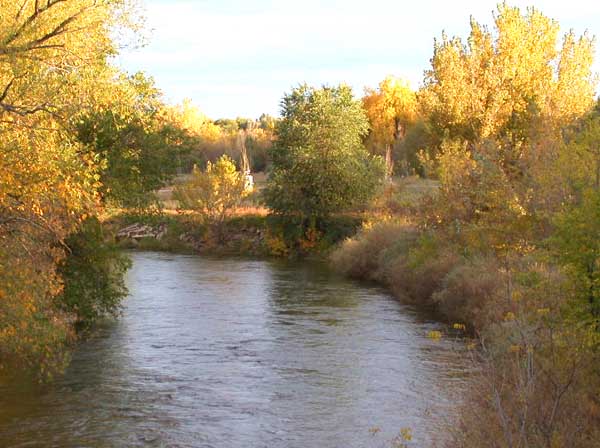
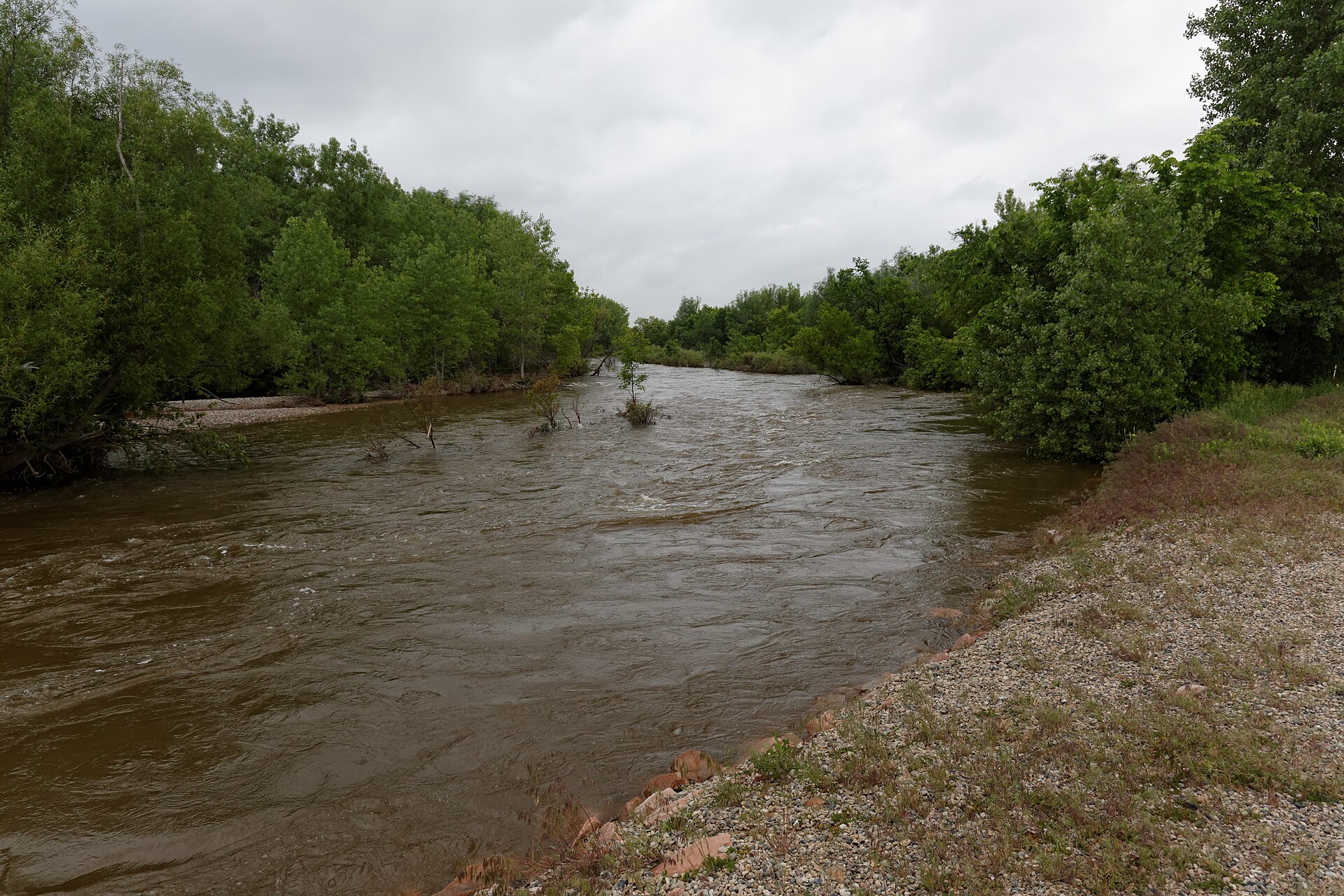
Before Fort Collins had streets, it had the river. The Cache la Poudre River flows out of the mountains, through the north side of the city and on toward Greeley, and the city grew up on its banks. Today the Poudre Trail follows it — a paved path used by walkers, runners and cyclists that links neighborhoods, natural areas and downtown into a single, mostly car-free corridor.
The river's name, French for hiding the powder, comes from a trappers' cache along its banks, and its upper reaches hold a distinction no other Colorado river has: part of the Poudre is a federally designated Wild and Scenic River. In town, the same water is working infrastructure as well as scenery — a source of drinking water, irrigation and flood concern, managed through a system residents rarely think about until runoff season.
For daily life, the trail is the river's public face. Commuters ride it toward downtown and Colorado State University, families walk it to natural areas like Riverbend Ponds, and anglers and birdwatchers use its access points year-round. In November the cottonwoods along the banks go bare, the crowds thin, and the trail becomes a quieter, colder pleasure — with ice a real consideration on shaded stretches after the first freezes.
The river also asks something of the city. Flood history is written into Fort Collins' planning, and the corridor's bridges, underpasses and natural areas are maintained with high water in mind, even in the dry months. Trail users who check conditions after storms, and give maintenance crews room to work, are part of how the corridor stays open and safe.
This station will cover the Poudre the way Fort Collins experiences it: as recreation, as water supply and as a neighbor that occasionally reminds the city who was here first. The trail, meanwhile, remains the cheapest seat in town — a front-row walk along the river that built the place.